Navigating the Shift: A Comprehensive Guide to American Housing Market Trends in 2024 and Beyond

The Changing Landscape of the American Dream
For decades, the American Dream was synonymous with a white picket fence, a manicured lawn, and a thirty-year fixed-rate mortgage. It was a straightforward path: work hard, save up, and buy a piece of the neighborhood. However, if you have stepped into the real estate area lately, you know that the story has changed. The plot has thickened with high interest rates, historic inventory shortages, and a tug-of-war between buyers and sellers that feels more like a chess match than a transaction.
SUBMIT YOUR DETAILS FOR
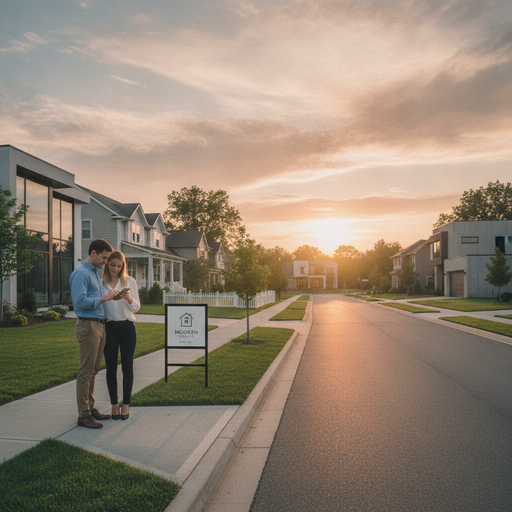
Imagine Sarah and Mark, a young couple in their early thirties living in a cramped apartment in Chicago. They have a healthy savings account and stable jobs, but every time they look at a listing, the “monthly payment” calculator gives them sticker shock. They are not alone. Millions of Americans are currently navigating a housing market that feels discoected from the realities of the past decade. To understand where we are going, we have to look at the unique trends currently shaping the American landscape.
The Elephant in the Room: Mortgage Rates and the Locked-In Effect
The biggest driver of the current market is undoubtedly the cost of borrowing. After years of record-low interest rates that hovered around 3%, the Federal Reserve’s battle against inflation pushed rates significantly higher. This created a phenomenon economists call the “Locked-In Effect.”
Think about a homeowner who bought or refinanced in 2020 at a 2.8% interest rate. If they decide to sell their home today and buy a new one, their new mortgage rate could be double or even triple that. This creates a massive disincentive to move. Why trade a 3% mortgage for a 7% mortgage on a house that costs more? As a result, the “For Sale” signs that used to pop up every spring are becoming a rarer sight. This lack of existing home inventory is perhaps the most defining characteristic of the current American housing market.
Why Prices Aren’t Falling Like We Expected
Basic economic theory suggests that when interest rates go up, demand goes down, and prices should follow. However, the American housing market is currently defying those traditional gravity laws. Because there are so few homes available for sale, the competition for the remaining inventory keeps prices elevated. Even with fewer buyers in the pool, they are all fighting over a very small number of houses. In many metropolitan areas, we are still seeing multiple-offer situations and homes selling above the asking price, simply because supply caot keep up with the fundamental need for housing.
The Rise of the “Build-to-Rent” Revolution
With many would-be buyers priced out of ownership, a new trend has emerged: the Build-to-Rent (BTR) sector. If you drive through the suburbs of Phoenix, Charlotte, or Dallas, you might see entire communities of brand-new single-family homes that look like they are for sale. In reality, they are owned by institutional investors and are strictly for rent.
This trend caters to families who want the lifestyle of a suburban home—a backyard for the dog and a garage for the car—without the massive down payment or the commitment of a high-interest mortgage. While this provides housing options, it also sparks a debate about the long-term impact on wealth building, as more Americans become “permanent renters” rather than homeowners.
The Great Migration: The Sun Belt Dominance
The map of where Americans want to live is being redrawn. We are seeing a massive shift away from the high-cost, high-tax corridors of the Northeast and the West Coast toward the Sun Belt. States like Florida, Texas, Teessee, and the Carolinas are seeing unprecedented growth.
Why is this happening? It is a combination of factors. The rise of remote work has untethered many employees from their physical offices in Manhattan or San Francisco. When you can take your California salary and buy a mansion in Austin or a beachfront condo in Tampa, the decision becomes much easier. This migration is driving up prices in previously affordable southern cities, turning sleepy suburbs into booming tech hubs almost overnight.
The “Silver Tsunami” That Hasn’t Arrived
For years, experts predicted a “Silver Tsunami”—a wave of Baby Boomers selling their large family homes to downsize, which would flood the market with inventory. However, that wave has been more of a ripple. Many older Americans are choosing to “age in place.” They have paid off their mortgages, their homes are modified for comfort, and they see no reason to move into a high-rent apartment or a pricey retirement community. This further tightens the supply for first-time buyers like Sarah and Mark, who are waiting for these “starter homes” to hit the market.
Technology’s Role: PropTech and the Digital Closing
Despite the challenges, the process of buying a home is becoming more streamlined thanks to technology. We are in the era of PropTech (Property Technology). High-definition 3D tours, drone photography, and AI-driven valuation tools are now standard. In many states, the “digital closing” is becoming a reality, allowing buyers to sign their paperwork via a secure video call rather than spending hours in a title company office.
Algorithms are also helping buyers find hidden gems. AI caow predict which neighborhoods are likely to appreciate based on permit filings, school district improvements, and even the opening of new coffee shops. For the tech-savvy buyer, the tools available today are far superior to anything we had ten years ago.
The New Strategy for First-Time Buyers
So, what are people doing to adapt? The strategies are changing. We are seeing a rise in “house hacking,” where a buyer purchases a multi-family home, lives in one unit, and rents out the others to cover the mortgage. We are also seeing “co-buying,” where friends or extended family members pool their resources to purchase a property together—something that was once considered unconventional but is now a practical necessity for many.
Buyers are also looking further out. The “Exurbs”—communities even further from the city center than the suburbs—are growing. If you only have to commute to the office two days a week, a ninety-minute drive is suddenly much more bearable if it means getting a four-bedroom house for a reasonable price.
Looking Ahead: Is a Crash Imminent?
The question on everyone’s mind is: “Is the bubble about to burst?” Most economists say no. Unlike the 2008 financial crisis, which was fueled by subprime lending and poor credit quality, today’s homeowners have record amounts of equity and strong credit scores. Lending standards are much stricter now. While we might see a “cooling” or a plateau in prices, a catastrophic crash seems unlikely because the underlying demand for shelter still far outweighs the supply.
Conclusion: Patience and Preparation
The American housing market in 2024 is a landscape of contradictions. It is expensive yet resilient; slow in volume but fast in price appreciation. For buyers like Sarah and Mark, the message is one of patience. The market is no longer about timing the bottom; it is about finding a monthly payment you can live with and a home that meets your needs for the next five to ten years.
As we move forward, keep an eye on interest rate adjustments and new housing starts. The “Dream” isn’t dead; it’s just being redesigned for a new economic era. Whether you are buying, selling, or renting, staying informed is your greatest asset in this ever-evolving American story.