Is Florida Mobile Home Living Still Affordable? A Deep Dive into Costs and Comparisons

The Florida Dream on a Budget: Reality or Myth?
Imagine waking up to the sound of rustling palm fronds and the warmth of the Florida sun streaming through your window. For decades, this dream has drawn retirees, young families, and digital nomads to the Sunshine State. However, with traditional real estate prices soaring to record highs, many are looking toward mobile and manufactured housing as their golden ticket to the Florida lifestyle. But the question remains: is it actually cheaper, and what are the real costs involved today?
Living in a mobile home in Florida isn’t just about finding a place to park a trailer anymore. It has evolved into a sophisticated lifestyle choice involving modern amenities, tight-knit communities, and architectural designs that often rival site-built homes. In this guide, we will break down the true costs of mobile housing in Florida, comparing regions, ownership models, and hidden expenses to help you decide if this is the right move for your wallet.
SUBMIT YOUR DETAILS FOR
Understanding the Basics: Mobile vs. Manufactured
Before we dive into the numbers, it is crucial to understand what we are actually buying. Technically, the term “mobile home” refers to structures built before June 15, 1976. Anything built after that date is legally classified as a “manufactured home,” constructed according to federal HUD codes. For the sake of our comparison, we will use these terms interchangeably as most people do, but remember that modern manufactured homes are significantly more durable and energy-efficient than their predecessors.
The Upfront Cost: Single-Wide vs. Double-Wide
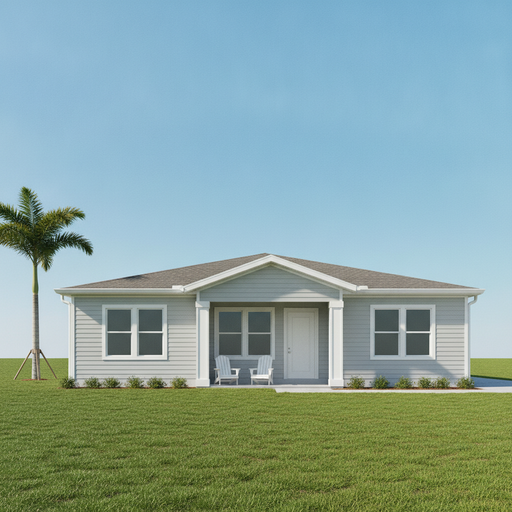
The first major factor in your cost comparison is the size of the unit. Florida’s market is diverse, offering everything from cozy single-wides to sprawling triple-wides that look like luxury villas.
- Single-Wide Homes: These typically range from 600 to 1,300 square feet. In the current Florida market, a new single-wide can cost anywhere from $60,000 to $90,000. Used units can be found for as low as $30,000, though these often require significant renovation or are located in older communities.
- Double-Wide Homes: These are the most popular choice for full-time residents, offering 1,200 to 2,400 square feet. A new double-wide in Florida generally starts around $120,000 and can easily climb to $200,000 depending on custom finishes like granite countertops or vaulted ceilings.
The Great Divide: Land-Leased vs. Land-Owned
One of the biggest shocks for newcomers to the Florida mobile home market is the distinction between owning the land and leasing it. This choice will dictate your monthly budget for years to come.
Land-Leased Communities (Lot Rent)
In a land-lease community, you own the home itself but pay a monthly fee to the park owner for the land it sits on. This is common in “55+ Active Adult” communities.
- Pros: Lower upfront purchase price for the home; amenities like pools, pickleball courts, and clubhouses are included.
- Cons: You pay “lot rent” which can range from $500 to over $1,200 per month in premium coastal areas. This rent typically increases aually.
Land-Owned Communities (Resident-Owned)
Here, you own both the home and the lot, or you own a share in a co-op that owns the land.
- Pros: No monthly lot rent (though there are usually small HOA fees); the property appreciates in value more like a traditional home; you have more control over the land.
- Cons: Much higher upfront cost. A mobile home on its own land in a desirable Florida county can cost between $250,000 and $400,000.
Regional Cost Comparison: Where You Live Matters
Florida is a massive state, and the cost of mobile housing varies wildly depending on how close you are to the ocean or major attractions.
Central Florida (Orlando, Ocala, Lakeland)
Central Florida remains one of the most affordable regions. In cities like Ocala, often called the “Horse Capital of the World,” you can find modern manufactured homes at the lower end of the price spectrum. The inland location also often results in lower insurance premiums because the hurricane risk is slightly mitigated compared to the coast.
The Gulf Coast (Tampa, Sarasota, Fort Myers)
The Gulf Coast is highly sought after for its white-sand beaches. Expect to pay a 20% to 30% premium here. Lot rents in popular Sarasota parks can easily exceed $1,000, reflecting the high demand for coastal living.
The Atlantic Coast (Miami, Fort Lauderdale, West Palm Beach)
South Florida is the most expensive region. Finding a vacant lot for a mobile home is nearly impossible, and existing units in parks are often priced significantly higher due to the scarcity of land and the proximity to major metropolitan hubs.
Hidden Costs and Ongoing Expenses
When comparing costs, many people forget the “invisible” numbers that come with Florida living. To get an accurate picture, you must factor in the following:
- Insurance: This is a major factor in Florida. Insuring a mobile home against windstorms and hurricanes can be expensive. Rates vary based on the age of the home and the distance from the coast, typically ranging from $1,200 to $3,500 per year.
- Property Taxes: If you own the land, you pay traditional real estate taxes. If you lease the land, you pay an aual “Ad Valorem” tax or a decal fee, which is generally much cheaper.
- Setup and Delivery: If you are buying a new home and placing it on private land, don’t forget the costs of leveling, skirting, hooking up utilities, and building a driveway. These “site prep” costs can add $20,000 to $50,000 to your bill.
- Maintenance: Florida’s humidity and salt air (if near the coast) can be tough on structures. Regular pressure washing, roof sealing, and HVAC maintenance are mandatory.
Comparing Mobile Homes vs. Traditional Stick-Built Homes
Is the savings worth it? Let’s look at the numbers. The median price for a single-family home in Florida is currently hovering around $400,000 to $450,000.
In contrast, a high-end manufactured home on leased land might cost you $150,000 upfront with a $900 monthly lot rent.
Over ten years, the mobile home option often results in a significantly lower “total cost of shelter,” allowing residents to keep more of their retirement savings or disposable income for travel and leisure.
However, the trade-off is equity. Traditional homes tend to appreciate faster than manufactured homes, especially those on leased land.
Financing the Move
Financing a mobile home is different from a traditional mortgage. If the home is not permanently attached to land you own, it is often considered “personal property” rather than “real estate.” This means you might need a “chattel loan.”
- Chattel Loans: Usually have higher interest rates (2-5% higher than traditional mortgages) and shorter terms.
- FHA and VA Loans: These are available for manufactured homes that meet specific HUD requirements and are placed on permanent foundations on land you own.
Final Verdict: Is it Worth It?
The cost of mobile housing in Florida has certainly risen, but it remains one of the most viable paths to homeownership in the state. For many, the “cost” is not just about the dollars—it’s about the lifestyle. Mobile home communities in Florida offer a level of social coectivity and security that is often missing in traditional neighborhoods.
If you are looking for the lowest possible cost, head toward Central Florida and look for a well-maintained used home in a land-lease park. If you are looking for a long-term investment, save up for a resident-owned community where you hold the deed to the land. Whichever path you choose, the Florida sun shines just as brightly on a manufactured home as it does on a mansion.