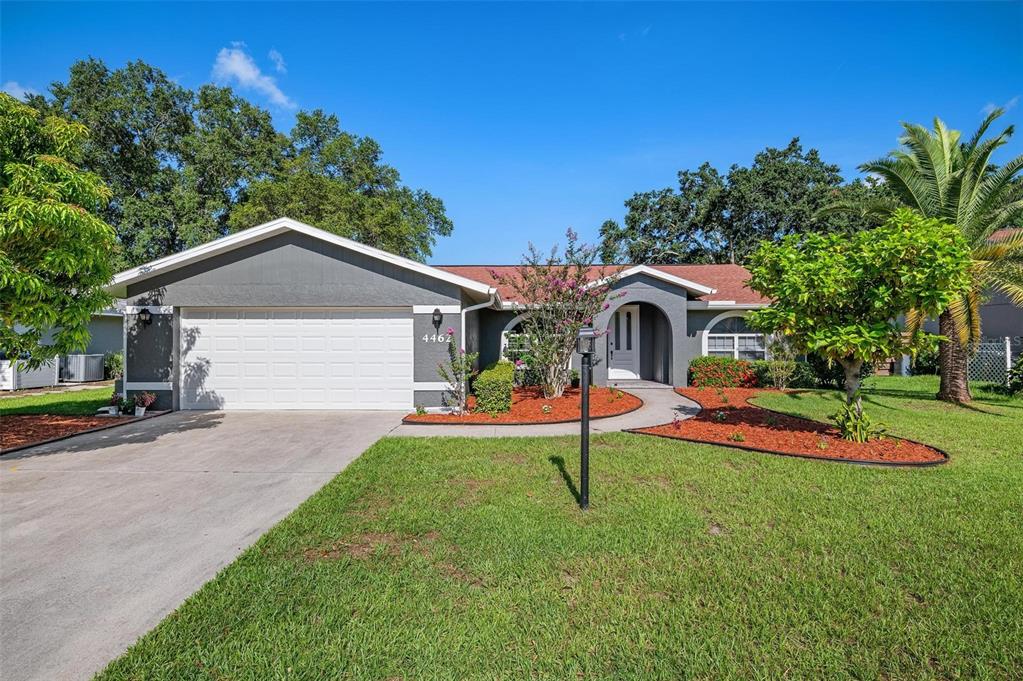
Navigating the Sunshine State: A Comprehensive Guide to Real Estate Listings in Florida
Florida has long been more than just a premier vacation destination; it is a global powerhouse for real estate investment and a top choice for domestic migration. From the neon lights of Miami’s high-rises to the quiet, moss-draped oaks of the Panhandle, Florida real estate listings offer a diversity that few other states can match. Whether you are a first-time homebuyer, a seasoned investor, or someone looking for a tropical retirement haven, understanding the nuances of the Florida market is essential.
In this article, we will explore the current state of Florida’s real estate listings, the unique characteristics of its diverse regions, the types of properties available, and the critical factors you must consider before signing a contract.
The Allure of the Sunshine State
Why does Florida consistently top the charts for real estate activity? The reasons are multifaceted. First is the tax climate. Florida is one of the few states with no state income tax, making it a magnet for high-net-worth individuals and corporations relocating from high-tax states like New York and California.
Second is the lifestyle. With over 1,300 miles of coastline, Florida offers an outdoor-centric lifestyle defined by boating, golfing, and year-round sunshine. Finally, the economic growth in sectors like aerospace, technology (the "Silicon Coast"), and tourism provides a stable foundation for property value appreciation.
Exploring Florida’s Regional Markets
Florida is not a monolith. Each region has its own "vibe," price point, and listing inventory.
1. South Florida: Miami, Fort Lauderdale, and West Palm Beach
This is the "Luxury Capital" of the state. Listings here often feature ultra-modern glass condos overlooking Biscayne Bay or sprawling Mediterranean-style mansions in Coral Gables.
- The Market: Extremely competitive with a high concentration of international buyers.
- Key Features: High walkability in areas like Brickell, world-class dining, and proximity to the Atlantic Ocean.
- Investment Potential: High rental demand, but also high entry prices and HOA fees.
2. Central Florida: Orlando and The Villages
Orlando is no longer just about theme parks. It has become a massive hub for healthcare and technology.
- The Market: Diverse listings ranging from short-term rental properties near Disney World to quiet suburban family homes in Winter Park.
- The Villages: This is the world’s largest retirement community. Listings here are specifically tailored to "Active Adults" (55+), featuring golf-cart-friendly infrastructure.
3. The Gulf Coast: Tampa, St. Petersburg, and Sarasota
The Gulf Coast offers a slightly more relaxed pace than Miami but with explosive economic growth.
- The Market: Tampa is currently one of the hottest markets in the U.S. Listings include historic bungalows in Seminole Heights and luxury waterfront estates in South Tampa.
- Sarasota/Naples: These areas cater to a more affluent, older demographic, with listings often focusing on white-sand beach access and cultural amenities like opera houses and art galleries.
4. Northeast Florida: Jacksonville and St. Augustine
For those seeking affordability and a "Southern" feel, the Northeast is the place to look.
- The Market: Jacksonville is Florida’s most populous city and offers some of the most reasonably priced listings in the state.
- St. Augustine: As the oldest city in the U.S., listings here often include historic homes with unique architectural character.
5. The Panhandle: Destin and Pensacola
Known as the "Emerald Coast" for its stunning green water, this region is a favorite for vacation home listings. The market here is heavily driven by tourism and military presence (Eglin Air Force Base).
Types of Property Listings in Florida
When browsing Florida real estate listings, you will encounter several specific property types:
- Single-Family Homes: The most common listing. In Florida, these often feature "lanai" (screened-in porches) and private pools.
- Condominiums: Popular in coastal areas. Buyers should pay close attention to "Condo Fees" and recent legislation regarding building safety inspections (especially post-Surfside).
- Townhomes: A middle-ground between a house and a condo, often found in "planned unit developments" (PUDs).
- Waterfront Property: This can range from "Oceanfront" (on the Atlantic or Gulf) to "Intracoastal" (on the canal system) to "Lakefront."
- Manufactured Homes: A significant part of the Florida market, particularly in 55+ communities, offering an affordable entry point into the state.
Understanding the "Current" Florida Market (2024-2025)
The Florida market underwent a radical transformation during the COVID-19 pandemic, with prices skyrocketing due to an influx of remote workers. As we move through 2024 and into 2025, the market is "normalizing."
- Inventory Levels: For several years, inventory was at historic lows. We are now seeing a gradual increase in listings, which gives buyers more leverage than they had two years ago.
- Days on Market: Properties are staying on the market longer. In 2021, a house might sell in 48 hours; today, it is more common to see listings active for 30 to 60 days.
- Pricing Trends: While the rapid appreciation has slowed, Florida prices remain resilient. There is no "crash" in sight, largely because the demand for Florida residency still outstrips the supply of new housing.
Critical Considerations for Buyers
Florida real estate comes with unique challenges that aren’t present in other states. When looking at a listing, you must look beyond the granite countertops and swimming pools.
1. The Insurance Crisis
Perhaps the biggest hurdle in Florida today is homeowners insurance. Due to hurricane risks and historical litigation issues, premiums have risen sharply. When viewing a listing, always ask for an insurance quote and check the age of the roof. Most insurers in Florida will not cover a roof that is more than 15 years old.
2. HOA and CDD Fees
Many Florida listings are located within communities governed by a Homeowners Association (HOA) or a Community Development District (CDD).
- HOA fees cover amenities and maintenance but can be high, especially in condos.
- CDD fees are essentially a bond paid through your property taxes to cover the infrastructure of the neighborhood (roads, utilities).
3. Flood Zones and Elevations
Florida is flat and surrounded by water. Every listing will have a flood zone designation. "Zone X" is generally preferred as it doesn’t require mandatory flood insurance for federally backed mortgages. However, in "Zone AE" or "Zone VE," insurance is mandatory and can be expensive.
4. The "Save Our Homes" Act
For those planning to make Florida their primary residence, the Homestead Exemption and the "Save Our Homes" cap are vital. This law limits the increase in the assessed value of your home to 3% annually, protecting you from massive tax hikes as property values rise.
How to Search for Florida Listings Effectively
To find the best deals, you need to go beyond the surface of national search engines.
- The MLS (Multiple Listing Service): This is the database used by realtors. It is the most accurate and up-to-date source of information.
- Local Realtors: Florida is a "hyper-local" market. A realtor in Miami won’t necessarily understand the nuances of a listing in Tampa. Always work with a local expert who understands the specific flood zones and neighborhood trends of that area.
- New Construction Portals: Florida has a massive amount of new development. Often, builders list "Quick Move-In" homes that may not appear on standard resale sites.
Conclusion
The Florida real estate market remains one of the most dynamic and rewarding in the world. Its diverse listings cater to every imaginable lifestyle, from the high-energy urbanite to the peaceful beachcomber. However, the market is complex. Success in Florida real estate requires a balance of aesthetic appreciation and practical due diligence regarding insurance, taxes, and environmental factors.
Whether you are looking at a sleek condo in downtown St. Pete or a ranch-style home in Ocala, the Florida dream is still very much alive. By understanding the regional differences and staying informed about market shifts, you can find a listing that is not just a house, but a sound investment in the Sunshine State’s bright future.