Where the Pacific Meets Precision: A Deep Dive into Modern California Coastal Architecture

The Soul of the Golden State
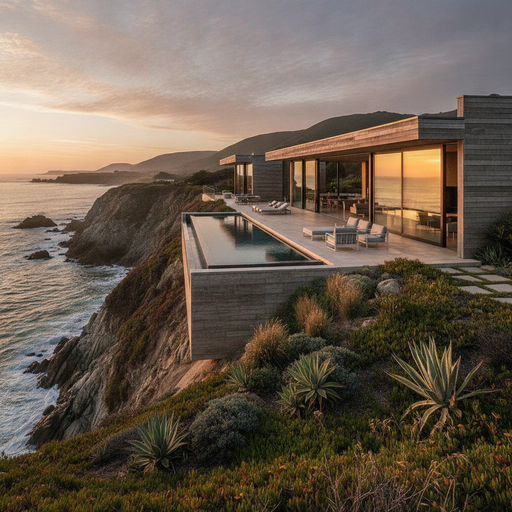
Imagine driving down the Pacific Coast Highway, the windows rolled down, and the salty mist of the ocean air hitting your face. To your left, the rugged cliffs of Big Sur or the golden sands of Malibu stretch out toward the horizon. To your right, you see them: homes that don’t just sit on the land but seem to grow out of it. These are not your grandmother’s quaint beach cottages. This is the era of Modern California Coastal Architecture, a design movement that has redefined luxury, sustainability, and the very concept of “home.”
SUBMIT YOUR DETAILS FOR
For decades, California has been a laboratory for architectural experimentation. From the mid-century modern masterpieces of Palm Springs to the Spanish Revivals of Santa Barbara, the state has always embraced the new. However, the modern coastal movement represents a unique evolution. it is a philosophy that prioritizes the relationship between the built environment and the raw, untamed beauty of the Pacific shoreline. It is about transparency, texture, and a profound respect for the horizon.
The Philosophy of Indoor-Outdoor Living
If there is one hallmark of Modern California Coastal design, it is the blurring of boundaries. In a climate where the weather is nearly perfect year-round, why should a wall be a barrier? Architects in this space utilize massive “pocket doors”—glass walls that slide completely into the structure—to turn a living room into a covered patio in seconds.
This “open-air” philosophy isn’t just about the view; it’s about a lifestyle. It’s about eating breakfast while watching the tide come in and falling asleep to the rhythmic sound of the waves without ever feeling discoected from the elements. This seamless transition is often achieved through “continuous flooring,” where the same limestone or light oak used in the kitchen extends all the way to the outdoor deck, tricking the eye into seeing one massive, unified space.
Designing for the Light
Light in California is different. It has a golden, ethereal quality that painters have chased for centuries. Modern coastal architecture treats light as a building material. High-clerestory windows and strategically placed skylights ensure that even the deepest corners of a home are bathed iatural illumination. By tracking the sun’s path, architects can create a “dance of shadows” throughout the day, making the house feel alive and ever-changing.
The Material Palette: Earthy, Raw, and Refined
Modern coastal design moves away from the “nautical” cliches of the past—you won’t find anchor-shaped door knockers or navy blue stripes here. Instead, the palette is inspired by the cliffs, the sand, and the driftwood. The goal is “organic minimalism.”
- Western Red Cedar and Ipe Wood: These woods are often used for exterior cladding. Over time, salt air gives them a beautiful silvery-gray patina that matches the misty coastal mornings.
- Board-Formed Concrete: This technique leaves the texture of wood grain on the concrete surface, providing a brutalist yet warm aesthetic that mimics the ruggedness of coastal rock formations.
- Native Limestone and Travertine: Used for walls and floors, these stones provide a cool, tactile surface that feels grounded and permanent.
- High-Performance Glass: Given the sun exposure, massive glass panes aren’t just decorative; they are engineered with low-emissivity coatings to keep the home cool while providing an unobstructed frame for the ocean.
Sustainability and the Coastal Challenge
Building on the coast isn’t just about beauty; it’s about survival. The environment is harsh. Salt air can corrode metal in months, and the threat of rising sea levels and wildfires is ever-present. Modern California architecture has risen to this challenge by integrating high-tech sustainability with clever engineering.
Many of these homes are now built with “passive cooling” systems. By utilizing the natural sea breeze through cross-ventilation, homeowners can maintain a comfortable temperature without the need for energy-hungry air conditioning. Solar arrays are often hidden on flat roofs, powering the home while remaining invisible from the street. Furthermore, the use of native, drought-resistant landscaping—like agave, dudleya, and coastal sage—ensures the home looks lush without wasting California’s precious water resources.
Engineering for Resilience
In areas like Malibu or the Monterey Peninsula, homes are often built on deep concrete pilings or “caissons” that go deep into the bedrock. This allows the structure to remain stable even during seismic events or coastal erosion. The architecture becomes a feat of engineering, proving that luxury and safety can coexist in the most precarious of locations.
The Minimalism of the Interior
Step inside a modern coastal home, and you’ll find that the “clutter” of traditional living has vanished. The architecture does the heavy lifting, so the furniture can be sparse and meaningful. This is often referred to as “Warm Minimalism.”
The focus is on “tactile luxury.” Instead of bright colors, designers use textures: a chunky wool rug, a smooth marble countertop, or a hand-carved wooden dining table. The neutral color palette—whites, creams, sands, and soft greys—serves as a canvas for the blue of the ocean and the green of the hillside. The view is the primary piece of art in the room, and everything else is designed to complement, not compete with, that view.
Key Influences and Iconic Regions
While the style is prevalent across the state, certain areas have become the epicenters of this architectural movement:
The Sea Ranch Aesthetic
Located in Sonoma County, Sea Ranch is perhaps the most famous example of “living lightly on the land.” Its iconic timber-frame houses with shed roofs set the blueprint for modern coastal living, emphasizing that a house should never obstruct the coastline for others.
The Malibu Modernists
Malibu is where modern coastal architecture meets high-end luxury. Here, architects like Richard Meier and Tom Kundig have created “glass boxes” that seem to float above the surf. These homes are exercises in precision, using steel and glass to push the limits of what a residence can be.
The Laguna Beach Terraces
In Orange County, the steep terrain has led to “terraced” architecture. Homes are built into the hillsides, with each level offering a different perspective of the Pacific. This multi-story approach creates private sanctuaries on every floor, often coected by floating staircases and glass elevators.
The Future: A New Era of Coastal Design
As we look toward the future, Modern California Coastal Architecture is becoming even more integrated with technology and ecology. We are seeing the rise of “smart homes” that adjust their own shading based on the sun’s intensity and “living walls” that bring greenery directly into the living space. There is a growing movement toward using recycled materials and “zero-carbon” concrete, ensuring that the homes built today don’t harm the environment they celebrate.
The trend is also moving away from sheer size and toward “curated space.” Homeowners are realizing that they don’t need 10,000 square feet if the 3,000 square feet they have is perfectly aligned with the horizon. It is a shift from quantity to quality, from showing off to “tuning in.”
Conclusion: A Harmony of Man and Nature
Modern California Coastal Architecture is more than just a style; it is a testament to the human desire to coect with the natural world. It proves that we don’t have to choose between modern comfort and environmental beauty. By using honest materials, prioritizing light, and breaking down the walls that separate us from the outdoors, this architectural movement creates spaces that do more than just house us—they inspire us.
Whether it’s a rugged retreat in Big Sur or a sleek glass villa iewport Beach, these homes remind us that the best design isn’t about making a loud statement. It’s about creating a quiet place where the sun, the sea, and the sky can take center stage. As long as the Pacific continues to crash against the shore, the evolution of this beautiful architecture will continue, forever chasing the perfect California light.